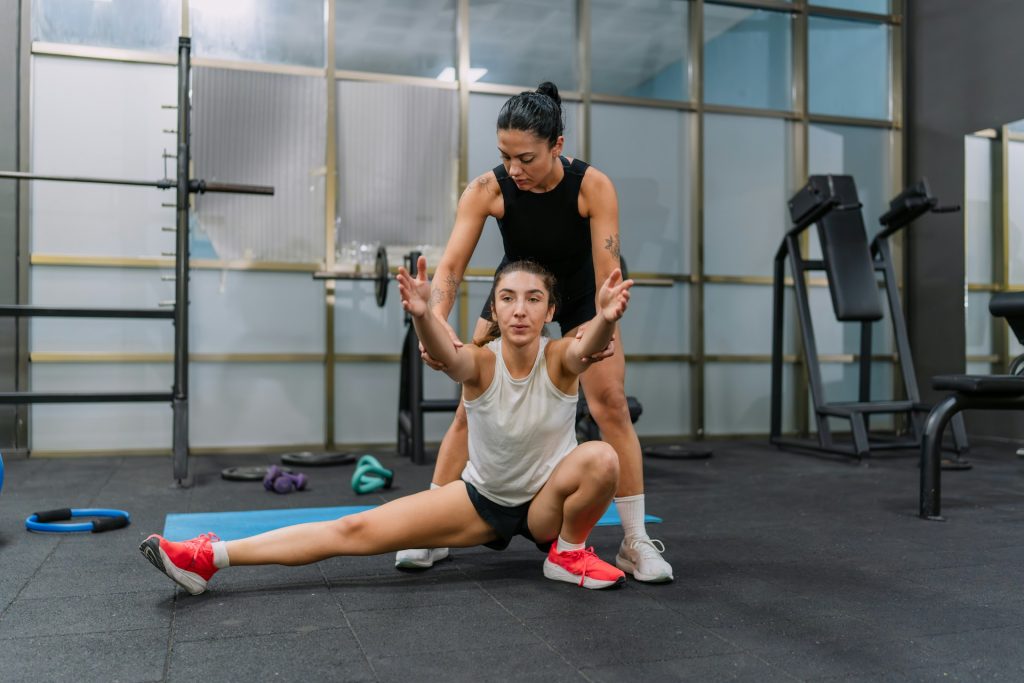
When your body moves well, even the hard stuff starts to feel easier. That’s the idea behind conditioning. It’s not about pushing yourself past your limits every time you train. It’s about giving your body what it needs to stay strong, steady, and ready for whatever comes next. Whether you’re training for a sport or just trying to feel better in your day-to-day routine, better conditioning plays a big role in how you perform and recover.
Working with a conditioning coach in Killarney means bringing experienced support into your routine. It’s not just about harder workouts. It’s about smarter ones. You get help balancing your strength, stamina, and recovery in a way that fits you, where you are, right now. And with that kind of support, better performance becomes a lot more doable.
What Conditioning Really Is (And What It Isn’t)
We hear a lot of different things when people talk about conditioning. Some think it just means running laps or doing endless cardio. Others believe it’s only for athletes. The truth is, conditioning includes plenty of elements, and it’s for everyone.
Conditioning is really about how well your body handles effort. It covers a mix of things like:
- Cardiovascular fitness (your heart and lungs working together)
- Muscular endurance (your body keeping going without wearing out too fast)
- Movement control (your brain and body staying connected while you move)
These work together to help you perform, recover, and feel steady in whatever activity you’re doing. Even if you’re just walking the kids to school or carrying shopping bags across the car park, conditioning helps it feel easier. That’s why we see it as a core part of training, not an optional extra. Good conditioning supports not just athletic achievement, but the way you handle each part of your daily schedule, making even basic physical tasks feel more manageable and less taxing on your energy.
Many overlook just how broad conditioning can be. It doesn’t have to look like formal exercise. Sometimes, small improvements in how you move or keep balance go a long way in making movement less taxing overall. That’s something anyone can benefit from, no matter your starting point or current activity level.
Why It Matters for Everyday Life
You don’t have to be on a sports team to benefit from good conditioning. Everyday actions become a bit smoother when your body can handle strain better. Think about walking uphill without getting winded, or keeping up energy through a full workday. That’s the kind of stuff conditioning supports.
It also helps your other training land better. If you’re lifting weights, improved conditioning helps you stay steady through your sets. If you’re cycling or running, it helps you move without tiring out too quickly. And it’s not about always training at full speed, either. In fact, conditioning often makes space for:
- Rest days that still include movement
- Shorter sessions that build steadily
- Progress over time without feeling rushed
When your workouts match your energy, you don’t burn out. You build up. That’s the real win.
Part of why conditioning matters is that it impacts your quality of life whether or not you are focused on fitness. Taking the stairs instead of the lift or carrying groceries with ease are points where good conditioning shows real benefits. These small but practical improvements build your confidence and help you feel less daunted by movement in general. With practice, you notice you can stand for longer, walk further, or enjoy outdoor activities with friends and family more easily, and that sense of accomplishment carries into other areas of your life.
How a Tailored Approach Makes a Difference
No two people need the same plan, and that’s where a conditioning coach in Killarney can make a big difference. You might have time to train most days or only the weekends. You might be bouncing back from a break or aiming for a new goal. Either way, your training should meet you where you are.
We often see people trying to copy plans they’ve seen online, only to fall off track when life gets busy. That’s why real support helps. You get someone who’s looking at your full week, adjusting things when work runs late or when your energy shifts.
Some weeks might focus more on steady movement, others on heart-lifting effort. A good setup rotates those without overloading. It becomes something that works with your rhythm, not against it. That’s the kind of training that sticks around.
Customising your approach is helpful whether you’re new to exercise or just need variety. Without a plan that responds to the way you feel on a given day, it’s easy to get discouraged or skip sessions. With personal input, your routine is more likely to fit. It may be as simple as swapping out exercises when you’re low on energy, or increasing challenge when you’re feeling strong. Over weeks and months, this tailored plan helps you progress in a way that actually feels achievable instead of overwhelming.
Another benefit is that individualized coaching can spot potential problem areas before they slow you down. For example, a coach may recognize movement patterns or muscle fatigue and adjust your sessions. This focus on gradual growth and injury prevention keeps you consistent, which is key for lasting results.
Fitting Conditioning into an Autumn Routine
As the cooler air moves into Killarney this time of year, routines start to settle again. School runs return, holidays wind down, and evenings start to feel shorter. It’s a perfect time to look at how your training fits into your week.
Conditioning during September doesn’t need big changes. Instead, it can show up through:
- Walks or bike sessions after work while the weather is still holding
- Short, timed workouts indoors for the days when it’s wet outside
- Stretch-focused sessions to support recovery from tougher training
Autumn is a good time to set a base. You’re not rushing toward summer, and there’s space to build consistency. Even two or three sessions a week can shift how your body feels across your day.
You don’t need complicated routines to take advantage of this season. Simply adding an evening walk, a short yoga practice, or some simple bodyweight exercises keeps your progress moving even when your schedule gets busy. As the evenings close in and motivation dips, breaking sessions into smaller sections or involving family members can help make routines more enjoyable. This ensures that movement becomes a habit, not a chore, during the colder months.
New activities or adjustments in your workouts can make exercise more interesting at this time of year. You might use the changing weather as a reason to try indoor classes or invite friends along for group sessions. This small shift in approach goes a long way in keeping your conditioning routine fresh and sustainable well into the next season.
Performance Grows When Movement Feels Right
We often think better performance comes from going harder, but it usually begins with better balance. When your body is conditioned well, it handles stress better. It moves smoother. It gets tired a bit later and bounces back a bit quicker.
That’s why full routines aren’t just about strength or intensity. They’re about combining things that make you feel strong and steady at the same time. And when you’re not guessing what to do or pushing through confusion, you’re more likely to stick with it.
Working with someone who helps map that out, someone who guides your sessions without overdoing it, makes progress feel natural. Not forced. Over time, you feel the shift. Not from big leaps, but from feeling better in your own body day after day. That’s where real gains live.
As you stay consistent, you notice improvements in your overall comfort and performance. Everyday chores seem more manageable, and your recovery after activity improves. Feeling confident in your movement encourages you to try new activities or push a little further, which brings its own sense of reward. These steps are not always dramatic, but the steady improvements combine to make a real difference in how you go about your day. Being able to move comfortably and with less effort allows you to focus on what matters most, both in and out of your fitness sessions.
Training at your own pace is important, and the right support can help you build steady progress. Whether you are returning to movement after some time or looking to advance your current routine, our plans are designed to adapt with you, supporting your goals along the way. Working with a conditioning coach Killarney means you can focus on growth without unnecessary pressure. At Peak Performance Academy, we tailor sessions to match your needs and keep your training journey on track. Contact us to discuss how we can support your next steps.