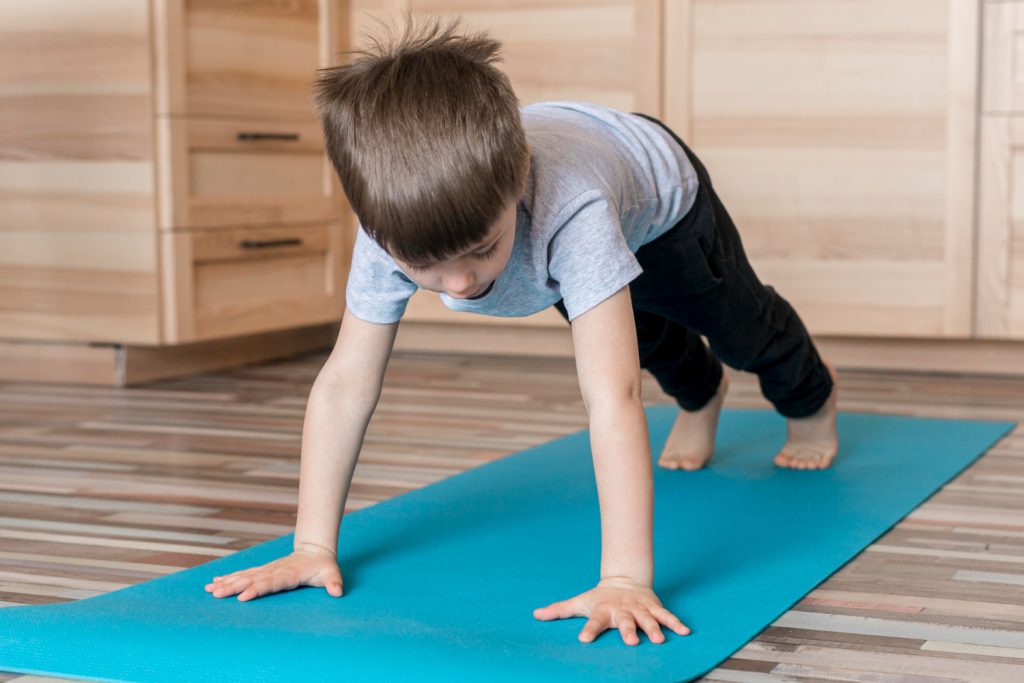
Most young athletes in Killarney want to play better, feel stronger, and move with more confidence. Whether they’re kicking a football, chasing down a ball on the pitch, or working hard during practice, having more strength can make all the difference. A well-structured strength training program Killarney helps build steady progress without rushing things. It supports the body to grow the right way, adds strength, and keeps athletes safer while they do what they love.
We’ve found that the right kind of strength training doesn’t just build muscles, it supports better balance, focus, and movement. This sort of work doesn’t need to be harsh or overwhelming. When guided carefully, it fits into an athlete’s routine in a way that feels steady and manageable, no matter their age or sport. Developing strength also offers a valuable sense of accomplishment that helps motivate them, boosting their enthusiasm for all aspects of their athletic lives.
As young athletes progress through their training, they may notice that small gains, such as being able to complete a movement more easily or lift a slightly heavier weight, can be quite encouraging. These small wins add up over time, turning consistent effort into clear, measurable results. Each phase of improvement reinforces their commitment and helps them feel like they are working toward something meaningful and achievable.
Building the Right Foundation
Before anyone thinks about heavy weights or fast drills, we focus on how each body moves. That step is key. Young athletes need to understand simple movements first so their bones, muscles, and joints learn how to work as one. Starting with good technique, balance, and body control gives them a base they can feel steady on.
- Clear movement patterns come before strength exercises
- Coaches should guide younger athletes using age-appropriate targets
- Each step builds on the last, without skipping ahead
We keep routines simple at the beginning. Proper squats, lunges, and holds might not look flashy, but they teach the body how to stay grounded and move safely. This builds habits that protect them as they grow into faster, more demanding training later on.
Careful introduction of basic bodyweight exercises sets a strong precedent for future sessions, ensuring that skills are learned at a comfortable pace. When young athletes feel stable and secure in their movements, they become more willing to try new challenges, expanding their range of motion and balance. It’s these foundational skills that provide a safe stepping stone toward more dynamic exercises, helping each athlete feel ready and capable.
Building confidence early reduces fear and hesitation. Athletes learn to listen to their bodies and identify areas that need more attention or practice, making them more aware and adaptable during training. This understanding is crucial as new skills and stronger movements are layered on top of an already strong base.
Getting Stronger to Improve Sports Skills
Once a strong foundation is set, we can start to shape training around what matters most for the sport. That might mean faster starts for football players, more powerful strides for runners, or stronger legs for Gaelic games. Every sport uses the body in different ways. Training can match that by working the right muscles the right way.
- Strength training boosts leg drive, arm control, and core strength
- Workouts can be adjusted to fit a sport’s specific needs
- Improvements in strength carry over into more strength, stamina, and control
A footballer who lifts with purpose may shoot harder and hold their ground longer. A sprinter with stronger glutes and hamstrings can take off quicker. When young athletes train smart, they begin to feel how strength supports their moves, not just in the gym but exactly where it counts, during play.
Adapting workouts for various sporting needs ensures training is fun, interesting, and meaningful. Players focused on agility drills will notice they become quicker on their feet and have better control on the field. Runners adding resistance workouts often find they can finish races with greater energy left in the tank. Coaches and athletes should regularly review progress to make sure workouts remain relevant to each sport, creating a sense of purpose and excitement in the gym.
Learning how to apply new strength to real-world situations sets youth athletes up for both immediate and long-term improvements. The goal is to equip them with the skills and power they can use, not just for a single season, but throughout their athletic journey, no matter which sport they choose to focus on.
Staying Safe While Training
Safety is the steady line running through everything we do. Without smart planning, strength training can push the body too far, too fast. That’s especially true for growing kids. Their muscles might build quickly, but joints and tendons need more time. Starting simple and learning correct form helps lower the chance of injury.
- Slow, steady training helps protect joints and ligaments
- Learning form early prevents poor movement habits
- Coaches can adjust exercises based on growth and skill
We look closely at how each athlete moves, then choose exercises that meet their current ability. Mistakes in form aren’t just little slips, they’re chances to learn. With an extra set of eyes and regular tweaks to the plan, we help each person improve at their own pace. No pressure, just progress.
Consistent form checks become an essential part of every session. Athletes are taught to focus on their body’s alignment, breathing, and effort. Regular feedback allows quick adjustments, ensuring that bad habits don’t take root. This attention to detail forms lifelong habits, guiding them safely through all stages of their training.
Parental involvement helps reinforce good habits. When parents understand safe strength practices, they can remind their children to keep up with proper techniques at home or when training outside of regular sessions. Knowing that adults are also invested increases young athletes’ motivation to stick with safe, effective routines.
Training Through the Irish Summer
Late summer in Killarney brings a great window for setting patterns. School’s out, there’s space between competitions, and spirits are usually high. It’s a stretch of time when athletes can try new routines without the pressure of packed schedules or big games coming tomorrow.
- Warm weather helps workouts feel lighter and more active
- Developing habits now makes autumn smoother
- Athletes can train without the stress of school or game prep
Starting a new strength plan in August means having time to adjust before the sports calendar picks up. It also puts fitness into their weekly flow, so they’re still moving with purpose once the school year returns. Parents often say the summer structure keeps things from getting restless too. With the right focus, these weeks can set athletes up for the best kind of autumn, one where solid habits are already in place.
Taking time outside the regular school year means routines can be more flexible, letting athletes try different activities and styles of training. This break from everyday academic and athletic schedules often sparks new interest, letting athletes rediscover their motivation. Fresh routines during the summer can help combat training fatigue and make the return to structured programs smoother.
Families often organize practice sessions with friends or small groups during the holidays, which adds a social and supportive atmosphere to training. This level of teamwork helps keep athletes enthusiastic and ensures that their new skills and habits are reinforced by their peers.
How the Right Support Makes Growth Possible
We’ve seen it over and over again, when young athletes have routines shaped just for them, real change happens. It’s not about training harder. It’s about training with direction. Strength grows in a way that lines up with their natural development, and soon enough, their focus sharpens, they feel more sure of their bodies, and their movements look more controlled.
- Growth feels steady instead of rushed
- Better form leads to smoother movement and stronger results
- Confidence grows with each noticeable improvement
Sometimes, all it takes is the right person paying attention and steering the effort in a better direction. When that happens, athletes don’t just see their numbers go up. They feel more comfortable in how they move and more grounded in how they show up. This kind of progress lasts, season to season.
Support doesn’t stop with just coaching. It continues at home, with athletes sharing stories of progress and challenges, and parents offering encouragement throughout the process. Many young athletes learn to set goals, reflect on what works best, and celebrate their efforts. With thoughtful feedback from coaches, family, and teammates, their motivation stays high as they learn that hard work brings real results.
At Peak Performance Killarney, we support young athletes in building strength, balance, and confidence at a healthy pace. Every plan is shaped with care, supporting steady progress and long-term results. To see how a proper strength training program Killarney can encourage lasting progress, contact us today to get started.